LOGIN APP

The Key Metrics for Performance Publishers: Discover What They Are and How to Optimize Them!

O atributo alt desta imagem está vazio. O nome do arquivo é metricas-1-1024x683.webp

As you already know, the bar in the Publishing market has been raised, and nowadays, mastering the key metrics of this industry is no longer a differentiator—it’s the bare minimum every Performance Publisher must know.

These metrics not only illustrate the performance of your Ad Units but also provide valuable insights into how you can fine-tune and enhance your monetization strategy.

Moreover, understanding these numbers is crucial to staying competitive in such a dynamic environment.

This guide’ll explore the key metrics every Performance Publisher should monitor and optimize.

From a basic understanding of each metric to advanced strategies for improving your performance, this manual is an essential resource for anyone looking to boost their revenue through website monetization.

Get ready to dive into the world of Google Ad Manager metrics, where every piece of data tells a story, and every adjustment can significantly impact your earnings.

By correctly applying these metrics, you’ll not only gain a clearer understanding of your site’s current landscape but also be equipped to make strategic decisions that drive growth.

Metric 1: Viewability

What It Is and Why It Matters

Viewability refers to the percentage of ads served on a website compared to the number of times users actually see them.

In other words, for an ad to be considered “viewed,” at least 50% of its pixels must be visible on the screen for at least one second.

This is why viewability is so important—it directly correlates with ad effectiveness.

After all, no advertiser wants to pay for ads that aren’t seen. Websites with high viewability rates tend to be more valued in ad auctions. From an advertiser’s perspective, paying a premium and ensuring their ad is seen is better than risking the opposite.

Strategies to Improve Your Site’s Viewability

To enhance ad visibility on your website and maximize monetization effectiveness, consider the following:

  1. Implement “Lazy Loading”

Integrate lazy loading for your ads. This technique ensures that ads are only loaded when the section of the page where they are placed is about to enter the user’s view.

This saves resources and ensures that ads are displayed at the most opportune moment to be seen.

Benefit: Lazy loading boosts viewability by loading ads at the ideal time, increasing the likelihood they will meet viewability criteria.

  1. Focus on High-Visibility Ad Formats

Ad Types: Prioritize three ad formats known for their high viewability rates:

Interstitial Ads: These typically cover the entire user interface and are displayed between content, almost always achieving 100% viewability.

Reward Ads: Similar to interstitials in visibility, offering a strong engagement rate.

Anchor Ads: These ads stay anchored at the top or bottom of the screen, maintaining high visibility rates, though with some nuances to consider.

By utilizing these formats, you can achieve near-100% viewability, significantly enhancing the efficiency of your ad spaces without compromising the user experience.

  1. Optimized Ad Placement

Description: Besides selecting the right ad formats, it’s essential to strategically position ads where users are most likely to see them.

This includes areas near the top of the page or alongside content that requires interaction.

Such optimization maximizes visibility without compromising the user experience, as these placements integrate seamlessly with the page’s flow.

Metric 2: RPS (Revenue per Thousand Sessions)

Understanding RPS

RPS, or Revenue per Thousand Sessions, is a vital metric for publishers as it reflects the revenue generated for every thousand user sessions on a website.

You could say that RPS represents your site’s breakeven point—it shows the maximum you can spend on traffic acquisition per session while still achieving ROI.

Furthermore, it provides insight into your site’s true monetization performance, factoring in the frequency of ad impressions and how effectively they translate into revenue per user session.

Tips to Maximize Your RPS

To increase your site’s RPS, consider the following strategies:

  1. Layout Optimization to Boost Engagement

Adjust your site’s layout to encourage deeper and longer user interactions, which can increase sessions and, in turn, RPS. This includes enhancing site navigation, improving content quality, and making the site more interactive.

  1. Implementation of Differentiated Ad Strategies

You’ve likely heard the phrase “less is more.” In our context, this principle applies perfectly.

Focus on generating impressions for higher-value ad units rather than overcrowding your site with more ad placements. Identify the 80/20 rule in your AdUnit monetization and concentrate your efforts there!

  1. Focus on Traffic Quality

Attract high-quality traffic to your site. Engaged users are more likely to generate higher revenue per session.

  1. Analysis and A/B Testing

As you know, in our industry, everything is about testing. Regularly experiment with different ad setups, funnels, and page layouts to identify what drives the most significant impact on revenue per session.

Metric 3: CPC (Cost Per Click)

The Importance of CPC for Publishers

CPC, or Cost Per Click, is a crucial financial metric that reflects the amount an advertiser pays each time a user clicks on an ad displayed on your site.

Simply, CPC indicates how much you’re being paid for each user who clicks on a specific ad on your website.

Essentially, it’s the value the advertiser pays to take a user away from your site.

With that in mind, there are a few important considerations to remember…

Key Considerations for This Metric

Here are some critical points every Performance Publisher should keep in mind to optimize CPC while maintaining the quality and integrity of their site:

  1. Inventory Protection

As a Performance Publisher, you must protect your inventory and ensure you’re not losing valuable users for negligible amounts.

Strategically setting price floors is essential to ensure that ads do not redirect users away from your site for unreasonably low values.

Additionally, structuring your ad units to align with your strategy can help minimize user churn while maximizing ad performance. Doing so can strike the right balance between monetization and user retention.

  1. Beware of Accidental Clicks

Accidental clicks can happen when ads are poorly positioned or designed in a way that users unintentionally click on them.

This violates Google’s policies and can result in your site being banned. Stay vigilant to ensure proper ad placement and design!

Metric 4: Click-Through Rate (CTR)

What You Need to Know About CTR

Click-Through Rate, or CTR, is a metric used to evaluate the effectiveness of ads displayed on your site. It’s calculated by dividing the number of clicks an ad receives by the number of times it is shown, then multiplying by 100 to express it as a percentage.

For publishers, CTR can be a double-edged sword:

  • Positively: A high CTR indicates that the ads are appealing and capture users’ attention effectively.
  • Negatively: It may also signal a significant traffic loss, as each ad click represents a potentially valuable user leaving your site.

Therefore, it’s crucial to monitor this metric not only to measure the attractiveness of your ads but also to ensure that you effectively balance user retention with monetization.

Key Considerations for CTR

To ensure that Click-Through Rate (CTR) benefits your site without harming user retention, Performance Publishers should keep the following in mind:

  1. Continuous Analysis

A high CTR alone isn’t always a positive indicator. It’s crucial to analyze the context in which these clicks occur.

High CTRs on ads that direct users away from your site can be detrimental if they lead to a significant abandonment rate.

Leverage analytics tools to monitor user behavior and evaluate the trade-offs between monetization and retention. Strive to maintain a balance that maximizes revenue while keeping your audience engaged.

  1. Finding the Balance

Every site has its own strategies, making its metrics unique. As such, it’s impossible to define an exact “acceptable” CTR, as this can vary even across different Ad Units.

However, aim to find an acceptable CTR-to-CPC ratio to evaluate which advertisers are performing well and which are not. This approach will provide a valuable reference point for drawing meaningful conclusions from this metric.

  1. A/B Testing

Regularly test different ad formats, messaging, and placements to find the optimal balance between a strong CTR and user retention.

These tests can help identify the most effective strategies to engage users without encouraging them to leave your site. Continuously refining your approach ensures a sustainable balance between monetization and audience loyalty.

  1. Monitoring Accidental Clicks

This was mentioned earlier, but it’s worth emphasizing: beware of excessively high CTRs, which may indicate poor ad placement causing accidental clicks.

By addressing this issue, publishers can use CTR effectively to optimize both ad performance and the overall user experience on the site.

This strategic approach is crucial for maximizing the benefits of ads while maintaining a strong base of engaged and satisfied users.

Metric 5: Unfilled Impressions

Mastering Unfilled Impressions and Their Impact

Unfilled impressions occur when available ad spaces on a website fail to receive any advertising content.

This phenomenon can point to low demand, improper pricing, or technical problems preventing ad delivery.

While the term may seem daunting initially, understanding and managing unfilled impressions is a highly effective strategy for maximizing your site’s overall efficiency and revenue.

The Strategic Use of This Metric

Using unfilled impressions strategically involves understanding their potential impact on monetization and user experience.

A moderate rate of unfilled impressions can be beneficial, as it indicates that your price floor rules protect your inventory.

In other words, it means you’re not selling your ad spaces for too low prices.

However, a high rate of unfilled impressions may signify missed revenue opportunities, making it essential to continuously investigate, analyze, and adjust.

How to Master “Unfilled Impressions”:

  1. Find the Balance

As mentioned earlier, no magic number applies to all websites and niches.

However, having an average of 20% to 30% unfilled impressions can be a good indicator for maximizing your site’s revenue.

  1. Strategic Organization

While this average can be a reference, it doesn’t apply to all ad units.

For a Rebid Ad Unit, the recommended approach is to maintain the highest possible coverage—in other words, aim to eliminate unfilled impressions.

The Final Secret: Clarity and Precision in Metrics Analysis

In the complex world of Programmatic Media, the key to success lies in collecting data and analyzing it with clarity and precision.

For Performance Publishers, a deep understanding of each metric and its implications can be the tipping point between exponential success and market extinction.

That’s why we at ActiveView have designed an exclusive dashboard tailored to the needs of Performance Publishers.

The App.ActiveView not only simplifies the analysis of complex metrics but also, through intuitive interfaces and detailed reports, empowers you to:

  • Evaluate and manage price rules;
  • Analyze Google and Meta Ads campaigns with cross-referenced data from these platforms and direct insights from GAM;
  • Track the detailed performance of your URLs;
  • Access ROI insights in record time;
  • Stay informed about any irregularities on your sites;
  • Customize your analyses through our API.

The Benefits Don’t Stop There

In addition to an intuitive dashboard, we offer a range of services designed to help Performance Publishers achieve Exponential and Secure Growth!

  • Elite AdOps: Our full team of Google-certified specialists, with years of experience, is ready to manage your GAM, maximizing the results from your ad space sales while you focus on other business demands.
  • Specialized Support: The ActiveView team comprises experts with deep experience in the programmatic media market, providing personalized, real-time support.
  • Custom Scripts: For those who need tailored solutions, ActiveView develops custom scripts perfectly aligned with the specific needs of your site.
  • Security and Compliance: We leverage certified specialists and cutting-edge security technologies to monitor your sites in real time, preventing any potential violations of Google’s policies.

If you’re ready to take your site’s monetization to the next level, click the link and become an ActiveView partner today:

[CLICK HERE AND BECOME AN ACTIVEVIEW PARTNER]

The 7 Pillars for Success as a Performance Publisher

In the competitive world of performance publishing, achieving success requires much more than just building a website and buying traffic.

To scale consistently and overcome challenges, it is crucial to structure your operation on solid foundations that protect your business from unforeseen events and allow for safe and exponential growth.

In this article, we will explore the seven essential pillars that distinguish successful publishers from the rest of the market: from the importance of contingency and diversification to the relevance of quality content and strategic partnerships.

If you aim to build an antifragile operation and achieve consistent results, keep reading to discover how to implement these principles in your business.

Pillar #1: Contingency – How to Fortify Your Operation Against Failures 

What is Contingency and Why is it Vital for Publishers

Contingency is not just a backup plan; it is an essential strategy that protects your operation from unique and catastrophic failures.

In the world of performance publishers, where instability can affect revenues and daily operations, having multiple options for each critical aspect—from monetization to traffic—means you are prepared for any eventuality.

This pillar ensures that a setback in one area does not destabilize your entire operation.

Types of Contingency: Monetization, Retention, Traffic, and Team

A contingência se estende por diversas áreas. Para a monetização, saindo até um pouco da Mídia Programática, envolve ter diferentes fontes de receita para conquistar mais segurança. 

Contingency spans several areas. For monetization, moving beyond programmatic media, it involves having different revenue sources to increase security.

However, in our context, having a monetization contingency means operating in different niches, with multiple sites and various funnels on each. This approach ensures you are not reliant on a single niche, site, or funnel for ROI.

For retention, it means having multiple tools and strategies to keep your audience engaged and returning to your content.

Regarding traffic, the basics cannot be overlooked: it’s crucial to have multiple Business Managers (BMs) and advertising accounts, as well as to diversify traffic acquisition sources as much as possible.

This way, if one platform or another stops yielding results, your sites will not suffer as much.

And concerning the team, it’s vital to have more than one expert capable of managing critical areas, ensuring that the absence or departure of one does not paralyze operations.

Practical Strategies to Implement Contingency in Your Operation

Effectively implementing a Contingency Strategy involves:

  • Risk Assessment: Identify the points where your operation is most vulnerable;
  • Resource Diversification: Invest in multiple monetization platforms and traffic sources;
  • Continuous Team Training: Ensure that more than one team member understands each critical process;
  • Backup and Recovery: For every potential failure situation, ensure there is a backup of information so that, in the worst case, you do not have to start from scratch.

By implementing these strategies, you not only minimize risks but also enhance the resilience and adaptability of your business in the face of market fluctuations.

Pillar #2: Diversification – Don’t Put All Your Eggs in One Basket 

The Importance of Diversifying Niches, Countries, and URLs

Diversification is essential for any publisher who wants not just to survive but to thrive in a volatile market.

This means expanding your operations beyond a single niche, market, or traffic source.

Diversification helps to mitigate risks because when one niche or market experiences a downturn, others may remain stable or even grow, ensuring a steady revenue stream and reducing dependence on a single source of success.

How to Diversify Without Losing Focus

While diversification is crucial, it is important to do so without losing focus. The secret lies in expanding gradually, ensuring that each new area of operation receives the necessary attention to develop without compromising existing operations.

This can be achieved through careful management of resources and clear prioritization of projects.

Maintain strict control over each new initiative to ensure that quality and performance are not compromised.

Practical Examples of Successful Diversification

A publisher might start in the health niche and, after establishing a solid base, expand into wellness and then fitness, using the knowledge and strategies initially developed.

Another strategy is geographic, starting operations in one country and carefully expanding to others, adjusting marketing campaigns to each culture and specific legislation.

Pillar #3: Content – The Foundation for Attracting Valuable 

Advertisers The Role of Quality Content in a Publisher’s Success

Quality content is the heart of any digital publishing operation, as it not only enhances the user experience but also attracts higher-value advertisers.

Good content must be well-written, engaging, and aligned with the needs and interests of your target audience.

For publishers, investing in rich and relevant content is an investment in the long-term sustainability of their businesses.

Why Content is Essential for the Longevity of Your Site

Content does more than just define the identity of a site; it also significantly contributes to user retention, which directly impacts your revenue.

Websites with high-quality content tend to have lower bounce rates, longer page dwell times, and more users navigating between blog posts.

In other words, this combination is the perfect recipe for achieving higher RPS (Revenue Per Session)!

Pillar #4: Layout – User Experience Makes All the Difference 

How to Create a Fast, Reliable, and Engaging Website 

An effective layout is more than just aesthetically pleasing; it must be intuitive and functional, facilitating user navigation and maximizing ad effectiveness.

Elements such as page loading speed, mobile responsiveness, and easy accessibility are crucial.

Using user-centered design practices, such as clear menus, prominent call-to-action buttons, and a well-defined visual hierarchy, can significantly enhance your site’s effectiveness.

Key Elements of an Effective Layout 

The key to a layout that truly converts lies in its ability to guide visitors on a clear journey from the first click to the desired action, whether it’s viewing a new page, signing up, or even viewing certain ad blocks.

And speaking of which, an effective layout includes the strategic placement of ads that complement the user experience.

Layout Mistakes That Can Hurt Your ROI 

Common layout mistakes include ad clutter, the use of too many intrusive pop-ups, and a lack of optimization for mobile devices.

These errors can not only frustrate users but also impair site performance.

Other issues like confusing layouts, hard-to-read text, and a lack of visual consistency across pages can also deter potential customers and advertisers.

Pillar #5: Technology – The Infrastructure Behind Performance

The Importance of Quality Hosting and Robust Servers

Quality hosting and robust servers are essential to keep your site fast and accessible at all times.

A solid technological infrastructure ensures that your site can handle high volumes of traffic without slowdowns or crashes, which are especially crucial during peak access times that can be vital for the performance of monetization campaigns.

Choosing a hosting service that offers strong technical support, robust security, and easy scalability is vital for any publisher who wants to grow and remain competitive.

Ad Speed and Functionality

The speed at which your ads load is directly linked to the revenue generated by your sites.

Sending users to sites where ads are not yet loaded is like having a large store, and during peak hours when there are more customers wanting to buy, the store is closed.

Pillar #6: Networking – Building Valuable Connections

Connections Participation in Events and Communities: Why It’s Crucial

Effective networking is not just about exchanging Instagram or LinkedIn handles; it’s about building relationships that bring mutual value.

Participating in industry events, webinars, and being active in online communities are excellent ways to meet other professionals who can provide valuable insights and opportunities for collaboration.

These interactions can help you discover new trends, technologies, and best practices that can be applied to enhance your own operation.

Tips for Building Quality Networking

To build effective networking:

  • Be Proactive: Don’t wait for opportunities to come to you. Actively look for events and communities where you can participate;
  • Be Helpful: Offer help and knowledge without expecting anything in return. Reciprocity is a powerful networking tool;
  • Maintain Contacts: Networking is about building long-lasting relationships. Keep regular contact with your network, sharing updates and valuable information.

Pillar #7: Join an MCM (Multiple Customer Management)

Steve Jobs once said, “Focus on what you are good at, delegate everything else.”

his advice is crucial in the world of Performance Publishers, where efficiency and specialization are keys to success.

Thus, choosing the right partners is not just a matter of convenience; it is an essential strategy that multiplies your capabilities and allows you to focus on your strengths.

Practically speaking: this is the path for you to focus on being a Publisher, handling the important tasks for a Publisher while a 100% specialized team takes care of everything else for you.

Choosing the Right Partner

The first step in choosing a strategic partner, an MCM, is to understand that this ally’s role goes far beyond just enabling Publishers to use Google’s Ad Exchange to monetize their sites.

The idea is that this partner enhances and optimizes the entire process of selling your Ad Blocks while you maintain focus on managing your business and scaling your sites.

Therefore, it is crucial to have a partner that is a reference in technology, has market expertise, and above all, is validated.

Join the MCM That Goes Beyond All This

ActiveView not only meets all these mentioned requirements but also offers personalized support with an NPS average rating above 9, a Compliance team monitoring each of your URLs to ensure your sites meet Google’s standards, consultations with experienced AdOps, and many other benefits!

If you are ready to take your project to new heights, now is the time to become an ActiveView partner!

Join us and experience the journey of Safe and Exponential Scaling! Click below to request an analysis!

[BECOME AN ACTIVEVIEW PARTNER TODAY!]

6 AI Tools to Boost Your Operation’s Productivity

In today’s programmatic media landscape, the use of Artificial Intelligence (AI) has become indispensable for performance publishers looking to optimize their processes and increase operational efficiency.

AI tools offer innovative solutions for automation, data analysis, and content creation, enabling publishers to focus on growth and profitability strategies.

However, with so many options available, the question remains: what are the best tools for scaling websites?

Find out more by reading our detailed article on the subject!

What is Artificial Intelligence, and How Does It Impact Publishers?

Before diving into each tool, an advantage you can have over other users is understanding how AI mechanisms work.

AI is defined as the field of computer science dedicated to creating systems that perform tasks that would require intelligence if done by humans.

Specifically, in the programmatic media market, AI is transforming how content is published, monetized, and optimized.

The Relevance of AI in Your Operation

Artificial intelligence is revolutionizing the programmatic media market, offering publishers tools that automate repetitive tasks, optimize content reach, and enhance audience interaction.

With AI, you can analyze large volumes of data to better understand user preferences and personalize content accordingly, thus maximizing engagement and revenue.

Why Should Publishers Invest in AI?

The use of AI in content publishing offers numerous benefits. It enables a significant increase in productivity and efficiency, freeing content creators from repetitive tasks and allowing them to focus on innovation and strategy.

For example, AI tools can analyze real-time content performance data and suggest adjustments to improve visibility and revenue.

But instead of just offering general arguments, here are some specific reasons and examples of how AI can transform content publishing:

  • Task Automation: AI can automate recurring operations such as content curation, keyword research, and SEO optimization, freeing up time for publishers to focus on creative strategies and business expansion. This results in a more efficient workflow and reduces the likelihood of human errors.
  • Content Analysis and Personalization: AI tools can analyze large volumes of data to understand audience preferences, enabling more precise content personalization. This improves user relevance and engagement, which is crucial for increasing views and time spent on the site.
  • Continuous Improvement: AI allows for continuous testing and optimization of content strategies. For example, machine learning algorithms can test different versions of an article to determine which performs better in terms of engagement and conversion. This iterative process helps continually refine publishing tactics, ensuring publishers stay ahead of the competition.

AI Tools for Content

Now, let’s look at the list of the TOP AI TOOLS on the market and how they can help you scale your operation as a publisher.

KOALA

  • Integration with WordPress: One of KOALA’s biggest advantages is its seamless integration with WordPress, allowing publishers to optimize their content directly on the platform where it is managed.
  • SEO: KOALA offers advanced search engine optimization features, such as keyword suggestions, meta tag analysis, and optimization of titles and descriptions.
  • Automatic Image Generation: The tool can generate relevant images for content, saving time and resources.
  • Content Personalization: KOALA allows you to tailor content to different audience needs, ensuring a more personalized experience.

AUTO-BLOGGING

  • Automated Content Generation: The main feature of AUTO-BLOGGING is its ability to automatically generate complete articles in different languages.
  • Adaptability: The tool adapts to the pace and needs of each publisher, allowing for on-demand content creation.
  • Quality: The articles generated by AUTO-BLOGGING are well-written and cohesive, ensuring high content quality.

CHATGPT

  • Dynamic Content Generation: CHATGPT needs no introduction. This widely popular tool is known for its ability to create engaging and dynamic text that can be adjusted as needed, with a human touch.
  • Interactivity: The tool offers real-time interaction, allowing users to ask questions and receive instant responses, making it ideal not only for creating text but also for generating a wide variety of ideas.
  • Versatility: CHATGPT can be used in a variety of contexts, from content creation to assisting in idea development, ensuring flexibility to meet different needs.

AI Tools for Ad Creatives

Canva

  • Ease of Use: Canva is known for its intuitive interface, making it easy to create designs even for users without graphic design experience.
  • AI Features: The tool offers automatic design suggestions, customizable templates, and the ability to create videos with AI-generated voiceovers.
  • Visual Consistency: Canva helps maintain a consistent visual identity across all communication materials.

Midjourney

  • Realism: Midjourney specializes in creating photorealistic images, making it ideal for advertising campaigns and other visual materials that require a high level of realism.
  • Customization: The tool allows a high degree of image customization, enabling users to create unique and exclusive visuals.

Leonard.AI

  • Image Creation from Scratch: Leonard.AI allows the creation of completely original images from textual descriptions.
  • Adaptability: The tool can adapt to different visual styles and brand guidelines.

Eleven Labs

  • Realistic Narrations: Eleven Labs is a pioneer in generating nearly human-like narrations, offering different voices and accents.
  • Multiple Languages: The tool allows for the creation of narrations in various languages, making it ideal for global content.

Important Considerations

The effectiveness of these tools depends on several factors, such as:

  • Data Quality: The quality of AI tools depends directly on the quality of the data they are trained on. The more diverse and accurate the data, the better the results.
  • Level of Personalization: The ability to customize the results is crucial to ensure that the generated content is relevant and suitable for each audience.
  • Cost-Benefit: It is important to evaluate the cost of each tool relative to the benefits it offers.
  • Need for Human Review: Despite advances in AI, human review is still essential to ensure the quality and coherence of the content.

Conclusion:

Adopting AI tools is essential for any publisher looking to thrive in the digital age.

These technologies not only simplify processes but also enhance the user experience, providing a significant competitive advantage.

Explore how these tools can transform your editorial and advertising operations.

For more information and updates on best practices in the industry, follow Active View on social media.

Click here to follow us on Instagram.

Click here to follow us on LinkedIn.

Click here to subscribe to our YouTube Channel!

What is needed to monetize a blog? Learn where to start

o que é necessário para monetizar um blog

What is needed to monetize a blog? Learn where to start

When it comes to blog monetization, many content creators don’t know where to start or find the strategies quite complex, as there are various different approaches.

However, the process is not rocket science, and if you want to know what it takes to monetize a blog, keep reading as we explore the essential steps to implement it in a straightforward manner. Stay tuned!

o-que-e-necessario-para-monetizar-um-blog-1

When it comes to blog monetization, many content creators don’t know where to start or find the strategies quite complex, as there are various different approaches.

However, the process is not rocket science, and if you want to know what it takes to monetize a blog, keep reading as we explore the essential steps to implement it in a straightforward manner. Stay tuned!

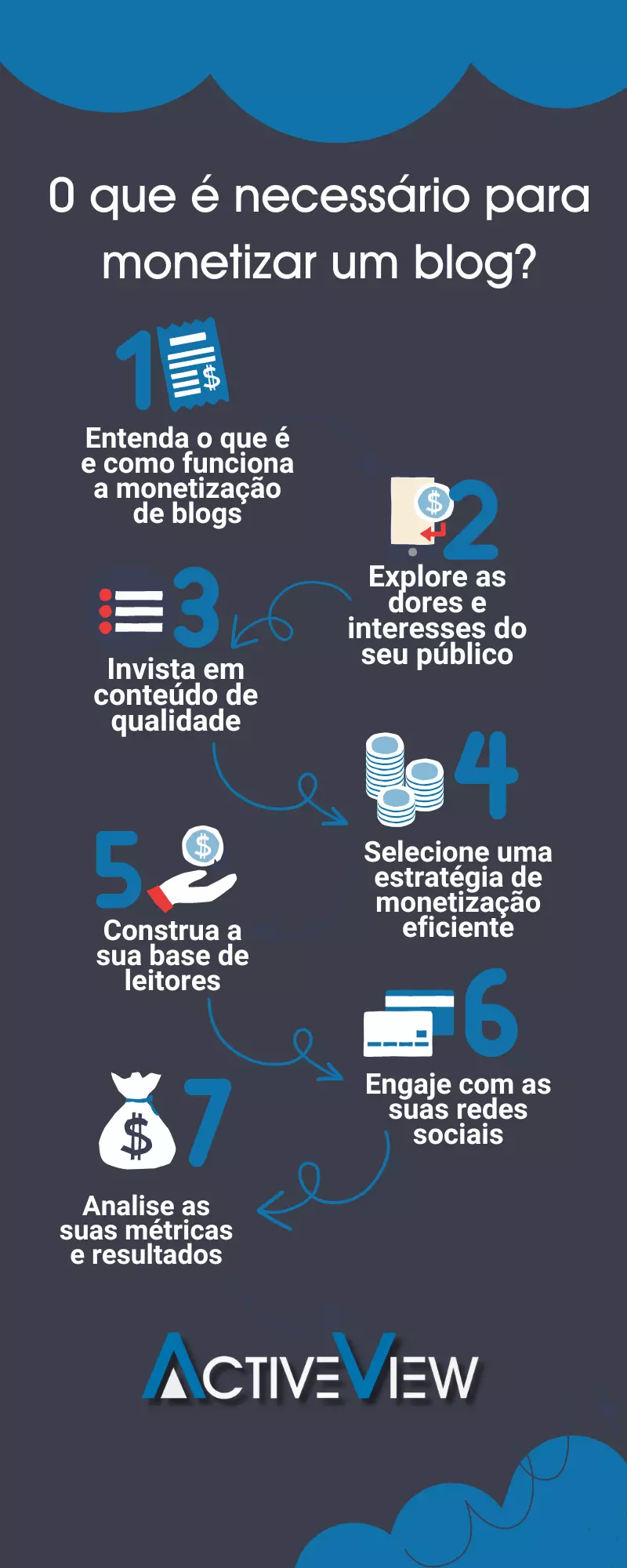
Step 1: Understand what blog monetization is and how it works

First and foremost, the initial step in understanding what is needed to monetize a blog is to grasp how the process of generating revenue from the content you create and share on the platform functions.

In simplified terms, monetization involves various strategies such as displaying advertisements and selling products. Therefore, the primary objective is to turn the web page into a profitable platform while simultaneously providing genuine value to the readers.

Step 2: Explore the pains and interests of your audience

Another fundamental point to generate revenue with a blog on the web is to deeply understand the pains and interests of your audience. By exploring the pains, desires, and interests of the audience, you begin to understand exactly what this group of people is looking for.

And thus, you can develop content that resonates and select monetization strategies to meet this need.

Perhaps at this very moment, you are feeling overwhelmed due to complexities and need more guidance. Well, in the lines below, we will show you exactly 3 simple and effective steps to quickly discover more about your audience!

⚫️ Analyze your comments

The first step to discover more about your audience is by starting with existing comments. Therefore, in this step, review old comments, both on your blog and on your competitors’ blogs. In fact, most of the time, readers share questions, challenges, and opinions in the comments, providing valuable insights into their pains and interests.

⚫️ Observe competitor blogs

Another crucial step is to observe competitor blogs in the same niche and analyze the topics they cover, the problems addressed, and how they engage with their audience.

⚫️ Conduct an analysis of popular content

Next, analyze the most popular topics and types of content in your niche, as this indicates your audience’s interests. Articles with the most shares, comments, and views provide valuable clues.

Step 3: Invest in quality content

invista-em-conteudo-de-qualidade

Well, now that you know the pains and interests of your audience, another fundamental aspect of what is necessary to monetize a blog is investing in quality content.

Indeed, content with valuable teachings and knowledge is the foundation of any successful blog. Therefore, approach useful, relevant, and well-researched information to your readers in a didactic manner.

A high-quality article not only attracts more visitors but also establishes you as an authority in your niche, increasing audience trust and creating a solid foundation for monetization.

Here’s how to create quality content in just a few steps!

As we’ve seen, quality content is essential for monetizing a blog. Consequently, this strategy is responsible for attracting readers, building trust, and engaging the audience.

This, in turn, leads to an increase in monetization opportunities. Here are some tips on how to create quality content in a few steps:

⚫️ Know Your Audience

Before creating any content, it’s essential to understand who your audience is. We discussed this approach in the previous topic, but let’s recap the key points you should know:

  • Needs
  • Interests
  • Challenges

⚫️ Choose Relevant Topics

Develop specific and relevant content for your blog’s niche to address the pains and concerns of your audience. Stay updated with industry trends and consider the frequently asked questions of your readers.

⚫️ Provide Real Value

When writing a blog post, the information needs to be useful, educational, and inspirational. In other words, focus on genuinely solving your readers’ problems and pains, as well as answering questions and providing valuable insights to the audience.

⚫️ Be Original

Under no circumstances should you copy and paste content from elsewhere. Have your own style and a unique approach to topics. As a result, through this process, you’ll establish authority and attract readers interested in your perspective in a short amount of time.

⚫️ Create Visually Appealing Content

Would you reach the end of content that lacks subheadings, paragraphs, or images? Legibility is key!

Therefore, in your texts, use images, infographics, and videos to make them more attractive and generate more engagement. Visual elements help break up the text and make the reading experience more enjoyable.

Additionally, it’s recommended to structure the content using subheadings, concise paragraphs with a length of up to 3 or 4 lines, and use bold formatting to highlight the main aspects of the topic covered.

⚫️ Write Clearly and Concisely

Avoid using complicated jargon and overly technical language unless it’s appropriate for your audience. Opt for a clear, direct, and easily understandable approach.

⚫️ Keep the Content Always Updated

Another relevant consideration about what is necessary to monetize a blog is to always keep the content updated. So, conduct regular reviews, especially when significant changes occur in the niche.

⚫️ Address Stories and Examples

Personal stories and practical examples illustrate points of view, making the message more didactic and easier to understand.

⚫️ Include calls to action: the famous CTAs

At the end of each article, include CTAs to direct readers to other parts of the blog, such as related articles, products, services, or subscriptions. This strategy increases engagement and opens up monetization opportunities.

⚫️ Be Consistent

Don’t get discouraged at first, as consistency is key to building a loyal audience. Therefore, establish a regular publishing schedule so that readers know when to expect new content.

⚫️ Listen to Your Audience Feedback

Pay attention to the comments and feedback from your audience, as they provide valuable insights into what’s working and what needs to be changed, as well as providing insights for creating new content, as mentioned before.

Step 4 on what is needed to monetize a blog: Select an efficient monetization strategy

monetizacao

Indeed, monetizing a blog requires investment and time, however, there are some effective strategies even with limited resources. Therefore, choosing the right tactic depends on your niche and target audience.

Currently, the most popular ones are advertising, affiliate marketing, selling products/services, and subscriptions. So, to convert blog visitors into profit, identify which of these possibilities aligns best with your content and what your audience is willing to support.

⚫️ Advertising

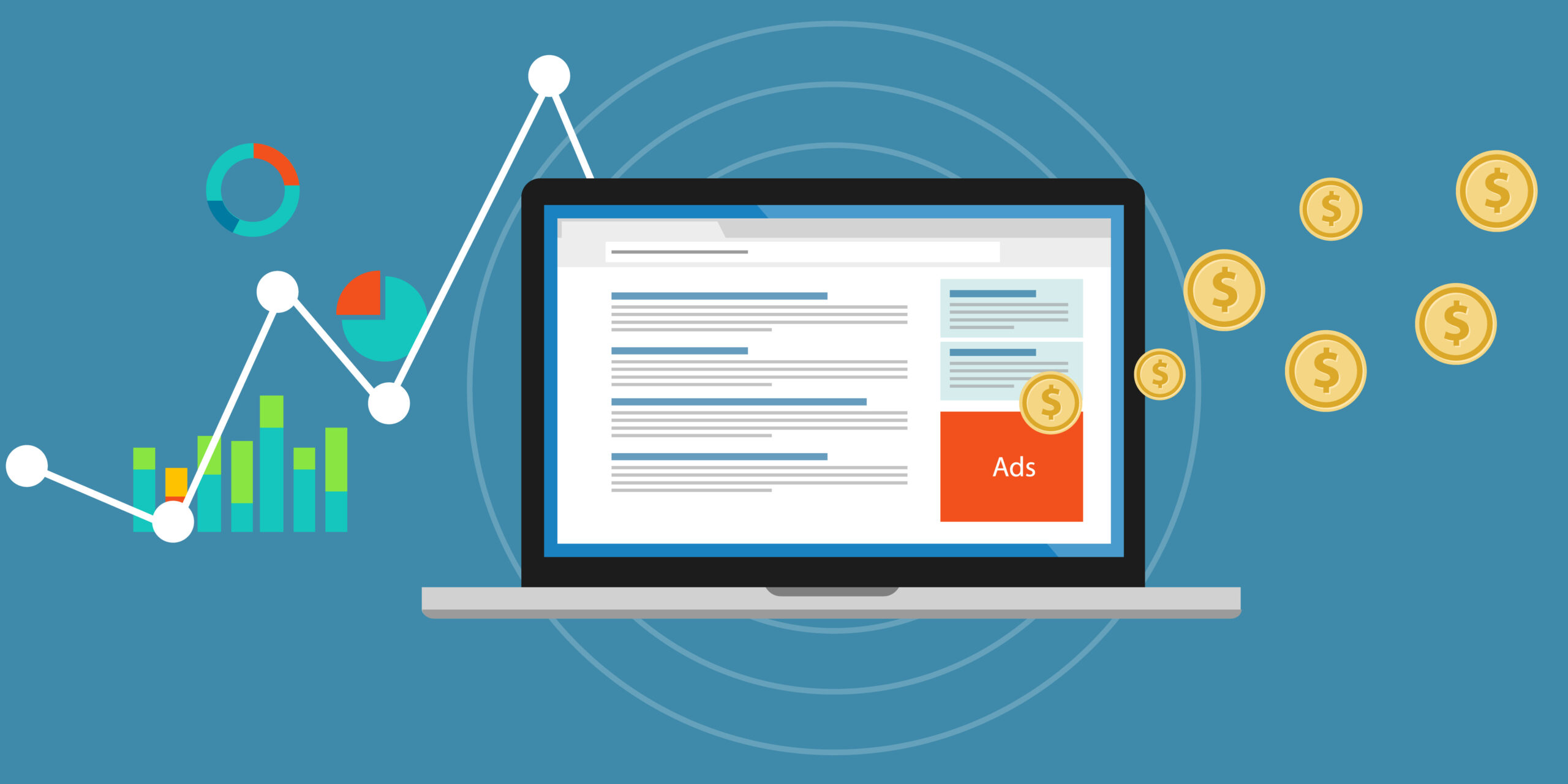
Monetization through advertising involves displaying ads on your blog and receiving payment for each view or click. Currently, there are two ways to implement it, through ad networks or direct sales.

The first suggestion refers to platforms like Google AdSense, where the publisher signs up and places ad codes on the website. Thus, the tool will display ads on your web page and for each click or ad view, you receive a portion of the revenue.

As for the second method, the publisher – the blog owner – negotiates directly with advertisers to display ads on the blog. This procedure allows for greater control over campaigns and prices.

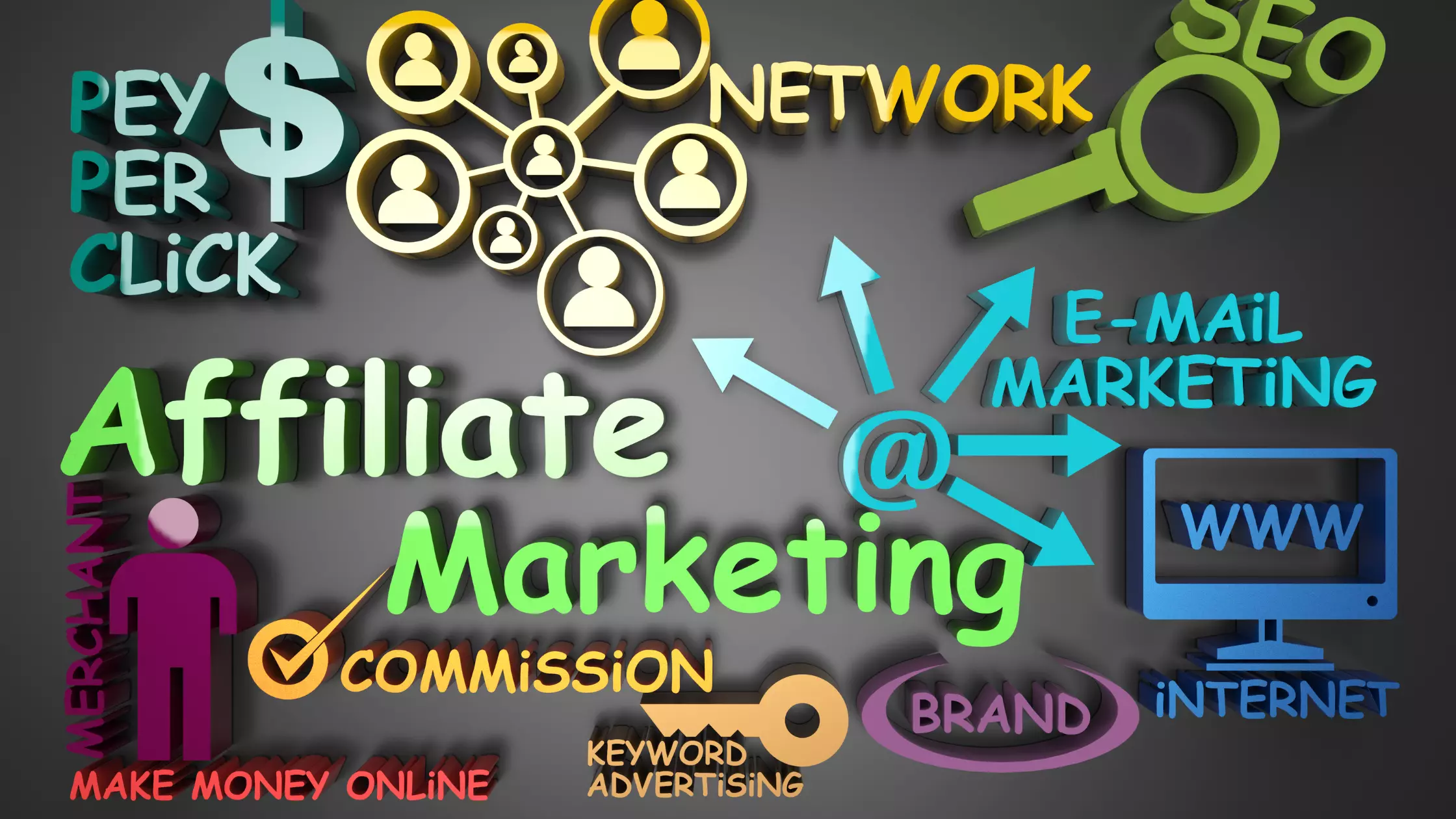
⚫️ Affiliate Marketing

In brief, affiliate marketing aims to promote third-party products or services on a blog through links with specific codes. Consequently, when a reader clicks and makes a purchase, you receive a commission on the sales.

The key to success with this strategy is to select products and services that align with your niche and are relevant to your audience.

⚫️ Selling Products/Services

If you have specialized knowledge or skills, a highly effective idea is to sell physical or digital products, as well as offer services. For example: selling e-books, online courses, consulting, workshops, or physical products related to your niche.

⚫️ Subscriptions

In summary, monetization through subscriptions or membership programs consists of offering exclusive content or special benefits to paying subscribers. When approaching this strategy, there are various possibilities such as premium articles, exclusive content, private forums, discounts on products or events, among others.

⚫️ AdExchange

AdExchange is a platform that connects advertisers and website publishers (like bloggers). Essentially, the tool functions as a marketplace for the real-time buying and selling of advertising space.

Editors, popularly known as bloggers, list available spaces on their webpages, and advertisers purchase them to display ads. The result is a significant increase in revenue.

If you’re interested in getting more detailed information about AdExchange and how it can benefit your online advertising strategy, we recommend reaching out to our specialized consultants!

Step 5: Build your reader base

Initially, to achieve the expected results, website traffic needs to be consistent and relevant. Therefore, it’s crucial to build a solid reader base.

To do so, regularly create valuable and engaging content. After all, the more people trust your blog as a source of information, the more they will engage with your monetization strategies.

Therefore, to succeed in this step and increase the value of your website, implement an SEO optimization plan and create an email list. Other essential requirements also include providing free resources and creating shareable content.

⚫️ Effective Planning to Build a Reader Base

SEO Optimization: Optimizing your content for search engines is a significant pillar of what is necessary to monetize a blog. This will attract organic traffic at no cost. At this stage, it’s essential to use relevant keywords, create attractive titles, and use compelling meta descriptions.

Email List: Another way to build an active and loyal reader base is by capturing emails for direct contact. To implement this strategy and put the plan into action, offer an incentive such as exclusive content or a discount in exchange for receiving contact information.

Free Resources: Create free resources such as e-books, guides, or templates relevant to your niche. This practice not only attracts new readers but also serves as a strategy to capture emails for the subscriber list.

Create Shareable Content: Develop content that is easily shareable such as infographics, videos, and checklists to encourage readers to share with friends and followers.

Step 6 on what is needed to monetize a blog: Engage with your social networks

redes-sociais

It’s not news that social media plays a crucial role in promoting blogs and building a community around them. Therefore, take advantage of this resource to share content and interact with followers.

Moreover, digital platforms like Facebook, Instagram, Twitter, and Pinterest aid in the mission of spreading the blog, attracting more traffic, and consequently generating more revenue for your pocket.

Step 7: Analyze your metrics and results

Finally, monitoring your blog’s performance is essential for adjusting monetization strategies over time. Therefore, always analyze your metrics and results such as traffic, conversion rate, and engagement.

Take advantage of analytical tools’ functionalities to identify what’s working and what needs improvement. At ActiveView, for example, we offer reports with exact precision for our clients. This way, you can have more insights for quick action.

Conclusion

In summary, generating revenue on a blog requires understanding, dedication, and continuous planning. Therefore, discovering what is necessary to monetize a blog, such as understanding revenue operation, audience, and creating quality content, are essential steps to start off on the right foot.

However, achieving results is not an immediate process but rather an ongoing endeavor. As a blogger progresses on this journey, adjusting strategies as necessary and staying attuned to changes, this business becomes a viable source of income.

Want to uncover all the secrets behind AdExchange and how it can take your advertising results to the next level? Don’t miss the chance to deepen your knowledge! Read our new blog post: ‘What is AdExchange: A Guide to Achieving Brilliant Advertising Results’.

What are the differences between Google Ad Manager, Google Ads, and AdSense?

activeview
Frequently Asked Questions about the Online Advertising Ecosystem

In the fast-paced world of online advertising, where every click presents an opportunity, it’s crucial for publishers and advertisers to understand the landscape and the tools available to them. Among Google’s options, three stand out: Google Ad Manager, Google Ads, and Google AdSense.

Therefore, let’s uncover their differences, advantages, and disadvantages in this article. Keep reading to not miss any information!

Google Ad Manager: The Maestro of Advertising Inventory

Imagine Google Ad Manager as the conductor of an online advertising orchestra. It enables publishers to control their entire advertising inventory, ensuring that the right ads are displayed at the right time.

Features:

Inventory Management: With Ad Manager, publishers can determine which advertising spaces are available on their websites or apps, optimizing the filling of these spaces.

Advanced Targeting: This is Ad Manager’s magic touch. Imagine targeting your ads not only by geographic location but also by audience interests, device used, and even the audience’s mood (well, that’s not possible yet, but who knows in the future?). This means that an ad for a new streaming series could be targeted only to science fiction fans in Brazil who watch programs on their smartphones.

Price Optimization: Ad Manager is like a digital auctioneer, determining the value of each advertising space in real-time and maximizing publishers’ revenue.

Advantages:

Global Reach: Google is the most popular search engine in the world, meaning your ads can reach virtually anyone, anywhere.

Proven Effectiveness: Analytical and targeting tools help advertisers optimize their campaigns, ensuring every penny is spent wisely.

Budget Flexibility: Google Ads accommodates budgets of all sizes, from small businesses to large corporations.

Disadvantages:

Competition: The popularity of Google Ads can increase competition and, consequently, costs per click (CPC), especially for competitive keywords.

Constant Management: Advertising campaigns require regular monitoring to achieve optimal results. Leaving a campaign on autopilot is rarely effective.

Learning Curve: For beginners, the platform can seem overwhelming. The learning curve can be steep, and making mistakes can be costly.

Google AdSense: Publishers’ Passive Earning

Finally, let’s take a look at Google AdSense. While Google Ad Manager and Google Ads represent the active side of advertising, AdSense is the passive side, perfect for publishers who want to earn money while focusing on creating great content.

Features:

Content Monetization: AdSense enables publishers to monetize their content by displaying relevant ads on their websites.

Detailed Reporting: Publishers have access to comprehensive reports on ad performance, including impressions, clicks, and earnings.

Easy Integration: Simplicity is key. AdSense can be quickly integrated into websites without the need for advanced technical knowledge.

Advantages:

Easy Implementation: Integrating AdSense into your website is like adding salt to your food. It’s simple, quick, and can significantly enhance the user experience.

Passive Income: With AdSense, you earn money while you sleep. Ads are automatically displayed on your site, and you reap the benefits whenever someone clicks or views an ad.

Transparent Reporting: AdSense provides clear insights into ad performance, allowing you to adjust your strategy as needed.

Disadvantages:

Variable Revenue: Your earnings can vary depending on the traffic to your site and the niche of your content. Don’t expect it to be a consistent source of income.

Content Restrictions: Some types of content may have ad restrictions. Certain themes, such as adult or illegal content, are not suitable for AdSense.

Limited Reporting: Reports may not be as detailed as on other platforms. If you need advanced analytics, other options may be more suitable.

Conclusion

Bangkok. Thailand. AUG 8,2023; :A woman is typing on Google search engine from Iphone.Google is the biggest Internet search engine in the world.

The choice between Google Ad Manager, Google Ads, and Google AdSense depends on your specific needs and goals. If you’re an experienced publisher, Ad Manager is the right choice for gaining full control and performing advanced optimizations.

For advertisers seeking global reach and control over paid campaigns to attract more traffic to their site, Google Ads is where you should specialize. Meanwhile, AdSense is ideal for beginner publishers looking to earn passive income from their websites.

At ActiveView, we work to help optimize and scale the monetization potential of publishers’ advertising inventory like yours, offering advanced solutions that go far beyond just supporting the mastery of tools like the ones discussed here.

So, regardless of your choice, we’re ready to make a difference in your online advertising strategy.

Finally, we hope this guide has helped clarify some basic differences between these tools and guide your decisions.

But remember, in the vast world of online advertising, the right choice can be what sets you apart from anonymity. Therefore, choose wisely and start conquering the internet!

Maximizing Online Revenue for Publishers

Success businessman blogger or writer catching money banknotes fall from the sky. Make money from online, monetize content, get income or earning from affiliate links.

A Detailed Analysis of CPM and RPM

If you’re a publisher looking for the best advertising opportunities to maximize your online revenue, you’re in the right place.

In this in-depth article, we’ll explore the world of CPM (Cost per Mille Impressions) and RPM (Revenue per Mille Impressions), two crucial pillars in the realm of digital advertising.

So, let’s understand their differences, how they are calculated, their importance for a successful publisher, and how they can be strategically used to optimize online revenue.

The Importance of Metrics for Publishers

First and foremost, as digital advertising grows and evolves, publishers find themselves in a continuous quest to maximize their revenue. That’s where CPM and RPM come into play, offering valuable insights and foundations for an effective monetization strategy.

CPM: Unraveling Cost Per Thousand Impressions

CPM, or Cost Per Thousand Impressions, is a widely used metric in online advertising. It represents the amount an advertiser pays for every thousand times their ad is displayed. Therefore, each ad view is counted as an impression.

What is CPM?

When an ad is displayed on a website or app a thousand times, the advertiser pays the corresponding CPM. This is commonly used in display ads, where payment is based on impressions rather than specific user actions.

How to Calculate CPM

The calculation of CPM is relatively simple. So, to calculate the CPM, you need to know the total cost of the advertising campaign and the total number of impressions generated. The formula is:

CPM = (Total Campaign Cost / Total Number of Impressions) x 1,000

Why is CPM Important for Publishers?

CPM allows publishers to set prices for their advertising spaces based on the estimated number of impressions their websites or apps generate. Moreover, this is essential for optimizing revenue and identifying advertisers willing to pay more for their spaces.

RPM: Revenue per Thousand Impressions

RPM, or Revenue per Thousand Impressions, is a publisher-centric metric. It measures the estimated revenue that every thousand ad impressions generate. Unlike CPM, RPM considers all revenue from ads on a site, including display ads, video ads, and other formats.

What is RPM?

In summary, RPM provides a comprehensive view of the revenue a publisher is generating from their ads. It’s an essential metric for publishers looking to maximize their advertising revenue.

How to Calculate RPM

Just like CPM, the formula for RPM is also simple. So, to calculate RPM, the formula is as follows: RPM = (Total Revenue / Total Number of Impressions) x 1,000

Why RPM is Important for Publishers?

RPM helps publishers understand the value of their ad inventory and optimize their monetization strategies. Moreover, it enables the identification of more profitable ad formats and positions and provides insights into overall revenue performance.

Ad Placement

Online advertising pay per click clickjacking

Maximizing Visibility and Monetization of Your Content

In the contemporary digital world, a publisher’s ability to monetize their content is directly proportional to how effectively they place ads.

Every pixel of a web page has its value, and understanding how to maximize this value is what sets successful publishers apart from the rest.

So, if you’re looking for ways to increase the visibility and revenue of your ads, this post is for you. We’ll explore the best practices for ad placement and understand how to connect publishers with the best advertising opportunities.


In the contemporary digital world, a publisher’s ability to monetize their content is directly proportional to how effectively they place ads.

Every pixel of a web page has its value, and understanding how to maximize this value is what sets successful publishers apart from the rest.

So, if you’re looking for ways to increase the visibility and revenue of your ads, this post is for you. We’ll explore the best practices for ad placement and understand how to connect publishers with the best advertising opportunities.


1. Understand your audience

Before deciding where to place your ads, it’s essential to know your target audience. Therefore, use analytical tools to gather data about your visitors: where they come from, how much time they spend on your page, which sections they visit the most, among other information.

In other words, understanding these behaviors helps identify points of higher engagement, where ads will have greater visibility.

2. Top of the page isn’t always the best

First and foremost, there’s a misconception that ads at the top of the page always get the best visibility.

While it’s true that they capture initial attention, ads strategically positioned throughout the content may engage more, especially if they are contextually aligned with the surrounding content.

4. The importance of mobile

With mobile traffic surpassing desktop traffic in many niches, optimizing ad placement for mobile devices is essential. So, make sure your ads are responsive and appear properly on all screen sizes.

5. Test, test, and test

The ideal ad placement can vary from site to site and from audience to audience. Therefore, adopt a testing mindset. Use A/B testing tools to experiment with different placements and ad formats. Analyze the results and adjust as needed.

6. Connecting to the best opportunities

Effective monetization is not just about placement. After all, it’s crucial to connect with the best advertising opportunities that align with your content and audience.

In this way, specialized platforms can assist in this process, connecting publishers with relevant advertisers and ensuring that displayed ads are of high quality and relevance.

Business, Technology, Internet and network concept. Digital Marketing content planning advertising strategy concept.

Conclusion

In today’s digital advertising ecosystem, smart ad placement is more crucial than ever. Therefore, by understanding their audience, testing different formats, and connecting with the best opportunities, publishers can maximize both the visibility and monetization of their content.

In summary, it’s a combination of science, art, and strategy that leads to success in the online advertising world.

LGPD and Programmatic Advertising: Understand the Legislation and Avoid Site Blocking

LGPD - Brazilian Data Protection Authority DPA, rights under the Lei Geral de Prote o de Dados - Spanish . Vector illustration background with lock and map of Brazil

In a digital landscape where information is essential, privacy becomes a valuable currency. Since 2020, the General Data Protection Law (LGPD) has set new directions for data processing in Brazil.

With the law in effect in Brazil, the rules of the game have been redefined, especially in the realm of programmatic advertising.

This article aims to deepen our understanding of how the LGPD can impact this digital sphere.

Additionally, we will explore its nuances and uncover strategies to navigate successfully in this new paradigm between the LGPD and Programmatic Advertising. So, keep reading!

What is LGPD?

In summary, the LGPD (General Data Protection Law), Law 13,709/2018, is the umbrella that protects consumers’ personal data in Brazil.

Since its implementation in 2020, companies have been required to follow strict standards for collecting, storing, and processing customer data, all regulated by Law 13,709/2018.

In addition to clear guidelines, the LGPD establishes penalties for those who violate its provisions. This legislation, developed based on the rules of the European GDPR, began to be discussed in 2017 and was approved in 2018.

How does LGPD apply to programmatic advertising?

In the era of programmatic advertising, LGPD poses a significant challenge. The law proposes minimal collection of personal data.

That is, it requires companies to obtain one of the 10 legal bases for processing, including consent, legal compliance, contract execution, and legitimate interest.

In the digital context, especially in programmatic advertising, Legitimate Interest often serves as a legal basis. However, its application requires a rigorous test of proportionality.

This test, divided into stages such as legitimacy, necessity, balancing, and safeguards, aims to ensure transparency, opposition, and risk mitigation.

In the context of programmatic advertising, data is obtained through Data Providers, who collect behavioral information from users.

Moreover, LGPD requires transparency about the treatment of this data, ensuring that users are aware of and comfortable with ad personalization.

Whether it’s first-party data, obtained directly by advertisers, or third-party data, acquired from external providers, all are considered personal data under LGPD.

What are the penalties for non-compliance with LGPD?

The General Data Protection Law (LGPD) establishes several penalties for non-compliance with its provisions.

After all, the penalties aim to ensure organizations’ compliance with data protection standards and safeguard the privacy of data subjects. The main penalties provided by LGPD include:

Warning:

The national authority can issue a formal warning to the company that violates LGPD. This warning serves as an alert for the need to correct data processing practices.

Daily Fines:

In cases of continuous non-compliance, LGPD allows for the imposition of daily fines, which can be established until the company regularizes its practices in compliance with the law.

Data Blocking or Deletion:

The national authority may determine the blocking or deletion of personal data related to the irregularity. This measure aims to interrupt the improper processing of data.

Partial Suspension of Database Operation:

In more severe cases, the national authority may impose the partial suspension of the database’s operation that is being used in a manner not compliant with LGPD.

Monetary Fine:

Fines are one of the most significant penalties. LGPD establishes that fines can amount to 2% of the company’s revenue, capped at R$50 million.

The exact determination of the fine depends on the severity of the violation and other factors considered by the national authority.

Moral Damages:

In addition to fines, LGPD provides that non-compliance with the law may result in lawsuits for moral damages. That is, the company may be held liable for damages caused to data subjects, regardless of the proof of material harm.

It is important to highlight that penalties may vary according to the nature of the violation, the company’s cooperation in correcting irregularities, and other relevant factors.

Administrative sanctions aim to encourage compliance and protect the rights of data subjects.

How to adapt programmatic advertising to LGPD?

Wallpaper Illustration and background of a laptop, displaying a personal data flow, with network connections. Front view. Concept of LGPD, GDPR, information security, data protection. Generative AI.

The adaptation of programmatic advertising to LGPD requires concrete actions from companies. Developing clear privacy policies is the first step.

These policies should detail the collection, purpose, responsibilities, and risks associated with data processing.

The implementation of consent mechanisms becomes essential, whether through opt-ins in privacy policies or through transparent and user-friendly cookie notices.

Training and awareness are fundamental. Professionals involved in programmatic buying and selling must understand the importance of complying with LGPD and act according to its principles.

For campaign deployment, advertisers should analyze touchpoints with the audience to ensure a secure experience.

In summary, aligning with the legal bases of Consent and Legitimate Interest requires practices such as clear opt-ins in privacy policies, efficient cookie notices, and transparent provisions regarding data collection for advertising purposes.

However, remember that seeking professional advice is often more advisable. LGPD not only imposes rules but also signals a positive evolution for the digital market.

By adopting practices that prioritize privacy and transparency, the programmatic ecosystem not only adapts to the legislation but also enhances the user experience.

LGPD is not an obstacle but an opportunity to transform Big Data into Good Data, promoting a safer and more reliable online environment for everyone.

Pillars of Compliance for a Successful Publisher

Compliance concept with icons for regulations, law, standards, requirements and audit on a virtual screen with a business person touching a button

Compliance with Google Policies: Navigating Safely in the Digital World

Whether you are an experienced professional or a beginner in the world of buying and selling online advertising, compliance, or adherence to Google policies, is a crucial matter for the success of your business.

Therefore, in this practical guide, we will uncover the key pillars of compliance that you need to know to navigate safely in this universe and ensure the prosperity of your website (while avoiding the dreaded “ban”).

Why is Compliance Essential?

Compliance is essential in various aspects as it plays a fundamental role in the integrity, security, and sustainability of organizations. Here are some reasons why compliance is considered crucial.

Your reputation is at stake: First and foremost, the first step to any successful project is to maintain Google’s and users’ trust by building a solid and trustworthy image.

Long-term success: By following compliance guidelines, you avoid bans and, consequently, revenue losses that can be crucial for the survival of your project, thus protecting your investment and building a sustainable business.

Peace of mind and Security: Lastly, operate with confidence, free from worries about violations and sanctions.

Top 5 Policies Most Likely to Cause Bans:

While digital platform policies may vary, some common practices often result in suspensions or bans. Here are five types of policies that frequently lead to suspensions or bans:

  1. Prohibited and Restricted Content: Say NO to illegal, inappropriate, or offensive material, such as hate speech, violence, sexually explicit content, and others.

  2. Copyright: Respect the intellectual property of third parties by protecting copyrighted content and avoiding plagiarism.

  3. Traffic Manipulation: Be honest and transparent, avoiding the artificial generation of clicks and views.

  4. Content Quality: Prioritize original, informative, and high-quality content that adds value to your visitors.

  5. Misleading or Fraudulent Ads: Avoid deceptive practices such as fake ads, clickbait, and other methods that deceive users.

Implementing Changes Successfully:

Get ready to explore best practices, overcome common challenges, and position your platform to thrive in an ever-evolving digital environment.

Let’s begin the journey towards successfully implementing changes to ensure success:

Master the Policies: Read and understand Google’s policies for publishers in detail, familiarizing yourself with the requirements and restrictions.

Thorough Review: Conduct a comprehensive audit of your website and content, identifying and removing any material that violates the policies.

Prevention is Key: Establish and implement internal policies and procedures that ensure ongoing compliance.

Essential Training: Empower your employees about Google’s policies and their impacts, fostering a culture of compliance within your team.

Continuous Monitoring: Regularly monitor your website and ads to ensure they consistently comply with the policies.

The safest way to stay in compliance

We know that, even with tips, it’s difficult to stay 100% up-to-date on all of Google’s rules, which also change frequently.

And even when you are up-to-date, it’s not always easy to check if all URLs are compliant, especially when you have many projects happening simultaneously.

Therefore, the best way to keep your projects safe is by partnering with a Google-certified MCM like ActiveView.

Finally, at ActiveView, besides having a complete compliance team analyzing your sites daily, you’ll also have access to exclusive support, an elite AdOps team, an intuitive dashboard, and much more.

Programmatic Media Glossary: The 33 Key Terms Every Publisher Needs to Know

Ad (advertise)  show laptop display screen from advertisers on internet. Ads banner campaign to target. Online Advertising, ad on internet, digital marketing concept.

Unraveling the Universe of Programmatic Media

Have you ever found yourself lost amidst complicated terms while exploring the universe of programmatic media? If the answer is yes, don’t worry! We’re here to introduce you to the true dictionary of Programmatic Media.

Indeed, each term is a piece of the puzzle, a valuable tool that, when understood and applied correctly, transforms simple ads into powerful experiences and measurable results.

Online advertising is evolving rapidly, bringing along with it a host of new concepts and acronyms.

Therefore, in this article, we will demystify the terms of programmatic media and present a complete dictionary to help you navigate this complex territory.

33 Key Programmatic Media Terms

Let’s explore together the Programmatic Media Dictionary and discover how each term can be the missing piece to elevate your campaigns to unimaginable levels.

Targeting

At the heart of the Programmatic Media Dictionary is targeting, or segmentation. This refined practice allows advertisers to target their campaigns to specific audiences based on demographic, behavioral, geographic, and contextual criteria.

CTR (Click-Through Rate)

CTR, or Click-Through Rate, is a vital metric that measures the effectiveness of an ad by calculating the proportion of clicks to the number of impressions. It is a valuable indicator for assessing audience engagement and adjusting strategies as needed.

Ad Fraud

In an ever-expanding digital world, ad fraud is a growing concern. This term refers to fraudulent activities that distort performance metrics, negatively impacting the effectiveness of advertising campaigns.

Viewability

Viewability highlights the importance of an ad being seen. The metric analyzes whether an ad has been viewed and for how long, ensuring that advertising dollars actually reach the right eyes.

Brand Safety

Preserving brand integrity is crucial. The term “Brand Safety” refers to measures taken to prevent ads from appearing in inappropriate contexts, protecting the brand’s reputation.

Tracking Pixel

Small but powerful, the tracking pixel is an essential tool that collects valuable data about user behavior, allowing for more effective customization of advertising campaigns.

Remarketing

Remarketing is a strategy aimed at reaching users who have already interacted with your site, reinforcing brand presence and encouraging conversion. This is achieved by displaying specific ads to this audience as they browse other sites, keeping the brand fresh in their minds.

Ad Inventory

Ad Inventory refers to the space available for ads on a website or platform. Maximizing the potential of this inventory is crucial to optimizing campaign reach, ensuring that ads are displayed in the most strategic locations.

Frequency Capping

In an effort to avoid audience fatigue, Frequency Capping sets a limit on the number of times a specific user will see a particular ad. This helps maintain campaign effectiveness without overwhelming viewers with the same message repeatedly.

Ad Tag

The Ad Tag is a code that enables communication between a website and an ad server. Essential for tracking impressions and clicks, the Ad Tag is a fundamental piece in the efficient execution of programmatic campaigns.

Ad Network

An Ad Network is an intermediary platform that connects advertisers and publishers. It facilitates the buying and selling of ad space, offering a wide range of sites for advertisers to choose from.

Impression

An impression occurs when an ad is loaded on a web page and is ready to be viewed. This metric is essential for understanding the potential reach of a campaign.

Valid Impression

A Valid Impression is one that meets specific criteria, such as being displayed to a real user and not being impacted by fraudulent activity.

Fraudulent Impression

On the other hand, a Fraudulent Impression occurs when fraudulent activities compromise the validity of the impression, distorting performance metrics.

Rendered Impression

The Rendered Impression refers to an ad that has been fully loaded and displayed to the user, providing a complete experience.

Viewable Impression

The Viewable Impression is sufficiently on-screen to be seen by the user. This is crucial to ensure that ads achieve their visibility goals.

Measurable Impression

A Measurable Impression is one that can be measured and tracked, providing valuable data about campaign performance.

Billable Impression

This category of impression is one for which advertisers receive charges. The Billable Impression is a key element in determining the effective cost of a campaign.

SSP (Supply-Side Platform)

An SSP is a platform that allows publishers to manage and optimize their ad inventory to achieve the best financial results.

DSP (Demand-Side Platform)

A DSP is a platform that allows advertisers to buy ad space efficiently, using data and algorithms to optimize impression selection.

Ad Exchange

The Ad Exchange is a digital marketplace that facilitates the buying and selling of ad inventory in real-time, making the process more efficient and transparent.

RTB (Real-Time Bidding)

RTB is a method of buying ads in real-time, auctioning impressions as a web page loads, ensuring efficiency and relevance.

CPM (Cost Per Mille)

CPM is a cost metric that represents the cost per thousand impressions. This pricing approach is common in branding campaigns, where visibility is crucial.

CPC (Cost Per Click)

Unlike CPM, CPC represents the cost per click, where advertisers pay only when users interact by clicking on the ad.

CPA (Cost Per Acquisition)

CPA represents the cost per acquisition, measuring the average cost to acquire a customer or conversion. This metric is essential for evaluating return on investment.

Programmatic Guaranteed

Programmatic Guaranteed is an approach that conducts negotiations in advance, ensuring the purchase of certain inventory at fixed prices.

Programmatic Non-Guaranteed

Unlike Programmatic Guaranteed, Programmatic Non-Guaranteed involves real-time auctions, offering more flexibility but fewer guarantees about available inventory.

Header Bidding

Header Bidding is a method that allows publishers to offer their inventory to multiple Ad Networks simultaneously, maximizing revenue.

Native Ads

Native Ads are ads that seamlessly integrate with the surrounding content, offering a smoother experience for users.

Programmatic Video

Programmatic Video applies programmatic media principles to video ads, providing greater efficiency and reach.

DMP (Data Management Platform)

A DMP is a platform that organizes, analyzes, and utilizes data to inform segmentation and campaign personalization strategies.

Sell Side Platform

The Sell Side Platform allows publishers to manage and optimize their ad inventory sales, seeking the best possible deals.

SEO

While not exclusively linked to programmatic media, SEO is essential for optimizing online organic visibility, complementing programmatic strategies.

Don’t worry! ActiveView can help you

In the midst of this vast dictionary of Programmatic Media terms, ActiveView emerges as your strategic ally. After all, it can help you optimize your programmatic campaigns, ensuring visibility, efficiency, and measurable results.

Finally, stay with us to discover how ActiveView can boost your strategies and elevate your presence in the programmatic media universe.